

About Cira Center
Cira Center for Behavioral Health (CCBH) is a group practice that serves the age and gender spectrum and specializes in Women/Femmes, LGBTQIA+ Folks and Neurodivergence.
There are SO MANY parts to who you are: your age, race, gender, sexual identity, religious and/or spiritual beliefs, culture and so much more all profoundly influence your past, present, and future. At CCBH we are able to hold multiple truths: all of your different identities matter. A lot. AND you are so much more than the sum of your parts.
We want to understand how alllllll the different parts of you – your identities, your history, your struggles, your strengths, and the future you wish for – all work together to make up YOU. When this kind of deep knowing is combined with a strong and supportive relationship, direct feedback, and skill building, people change and lives improve.
Your therapist will work with you to heal deep wounds that were never your fault to begin with. When true healing begins, integration becomes possible: coming to accept and love who you are right now, not despite your struggles, but *because* of them. And when you love and accept yourself and your narrative exactly the way they are, you finally feel deserving again, empowered to go out and design the life of your dreams. Start your journey today. ❤️
Heal
Empower
Integrate
Our therapeutic path not linear and most of the time they do not proceed in an orderly fashion. But they are the essential components of therapy that we will work our way through.
What Makes Us Unique?
Relational
- We aren’t just relational with our clients, we’re relational with each other. We acknowledge our own messy humanness and we have grace for ourselves and our teammates.
- We see others’ vulnerabilities and struggles as an opportunity to connect, not a problem to fix or solve.
- We move away from toxic individualism and lean into SELF-LOVE and COMMUNITY CARE. Self-love and community care, at every level, are part of how we change the world. If we’re not taking care of ourselves and the people we see and interact with every day, how can we ever expect to make a bigger impact on the world?
- We move away from a frantic, urgent pace of being and lean into INTENTIONALITY and EASE. By moving slowly and with intention, we invite in our own humanity and others. We create room to RESPOND rather than merely react.
- When we slow down and give ourselves permission to take care of ourselves AND others, life, AND work become intimate. It becomes connecting. It becomes energizing. It becomes something that we can maintain on the day-to-day without feeling constantly exhausted and burnt out. And in this way, we move into persistence and resilience.
- We recognize that by treating ourselves and our teammates with respect, love, humility, and ease, we create the kind of culture at CCBH that we want for the world.
Strengths-Based
- We constantly strive to see the good in ourselves and our teammates. We assume best intentions, but can also honestly and respectfully discuss impact.
- We move away from debate and lean into DIALOGUE. Debate is when we are loud and insistent about our opinions in an effort to change someone else’s mind because we have decided that they are wrong and we are right. Dialogue is when we not only contribute to a conversation, but also RECEIVE it. We listen. Not to build our own argument, but to truly understand someone else’s perspective. We enter into dialogue, not clinging tightly to the certainty that we are right, but rather hoping to better understand things we don’t know.
- We assume that our teammates are kind, trustworthy, and have valuable feedback, and we operate with that lens.
Collective Liberation
- We work at CCBH because working toward collective liberation is important to us. We recognize that my liberation is intimately connected to YOUR liberation, and we behave accordingly.
- We recognize that one of the most important and powerful ways that we can contribute to collective liberation is by transforming who we are, not simply performing.
- Therefore, we learn about all the systems of oppression that keep so many of us trapped. And then we LOOK INSIDE OF OURSELVES to find, identify, excavate, and deconstruct white supremacy, misogyny, homophobia, transphobia, ableism, xenophobia, etc. And by doing that, we explore how those systems of oppression exist within us and show up in our lives and at work with our teammates.
- We focus on OUR work, not others, knowing that anytime we sit in a position of moral righteousness, we are embodying white supremacy.
- We move away from comfortable lies and lean into UNCOMFORTABLE TRUTHS. So many things make us comfortable: The perception of certainty. Believing we are right. Doing things the way that we always have. Refusing to acknowledge reality as it is. This is comfortable, for sure, but it’s not helpful. We speak the truth with compassion, even when it’s going to upset someone else, knowing full well that CLEAR is KIND.
Cultural Humility
- Each of us brings a menagerie of intersecting identities, some of which are privileged and some of which are marginalized.
- When someone tells us something about their lived experience we move away from skepticism and lean into belief. We do this when someone is talking about their race, culture, religion, gender or one of their identities. But we do this in general. We believe people when they tell us about their experiences. Period. Full stop.
- We move away from perfectionism and lean into LEARNING, not expecting ourselves or others to do or say everything “right”, knowing that anytime we assume there even is a “right way”, we are likely embodying white supremacy. We understand that expectations of perfection make us fragile so by focusing on learning instead, we are able to side step shame, defensiveness, hopelessness and paralysis.
- And when we embrace true and humble curiosity, inspired to truly listen and learn about someone else’s perspective, we side step righteousness, anger, fear and binary thinking.
Accountability
- We move away from projection and blame and lean into RADICAL ACCOUNTABILITY. Before entering conversations where constructive feedback is needed, we engage in a fearless inventory of ourselves. What is coming up for me in this circumstance? What is my role in creating more understanding, respect and efficiency? How am I contributing to this situation in a way that brings more humility and compassion?
- Instead of becoming angry and defensive – when we receive feedback, when we perceive someone as “wrong” – we take responsibility for OURSELVES. We apologize for our role. We ask questions to better understand. We assume best intentions while also recognizing impact.
- We stay committed to our value of connecting with other flawed and different humans from a place of compassion and shared humanity.
- We move away from shame/blame and lean into COMPASSION. As Sonya Renee Taylor so beautifully describes in “The Body Is Not An Apology”, “in a society incredibly adept at harsh and often cruel critique, it is deeply moving to witness one tending to their own culpability with a sense of humility, compassion and grace. It restores faith in the possibility that perhaps they will extend the same grace and compassion to me. It is from this extension that we often feel safe enough to transform”.
- When we allow shame into our minds, bodies and souls, we become paralyzed, totally unable to think or feel anything other than our own perceived brokenness. Shame makes us SELF focused and if we are centering ourselves, the work is impossible. By leaning into compassion – for ourselves and others – we gently invite ourselves and others to keep trying.
Integrity
- We believe that every single person on this Team is a competent and kind person with valuable opinions and insights. Therefore, we move away from hoarded power and lean into SHARED ACCOUNTABILITY
- Power hoarded is everywhere. It is the default way, the dominant majority, but it is problematic for so many reasons. Depending on our role, we have different responsibilities. But ALL responsibilities are important.
- Whether you are the client or therapist, supervisee or supervisor, manager or employee, we all have important responsibilities. We each have an important job to do, we focus on what our job is and we share accountability to work toward the most desirable outcomes for all involved.
- We make decisions based on if it’s good for the client, the employees and the business. When it’s good for everyone, we have an easy decision! When it’s NOT good for everyone, we have honest and hard conversations with each other to reach the outcome that does the most good and limits the most harm.
- We move away from rescuing others and lean into UNDERSTANDING others. When we take on a position of rescuing, we send the message that the person we are rescuing isn’t competent to take care of themselves. Folks don’t need our HELP. They need our understanding. Our listening. Our seeing. Our genuine compassion. Our questions. Our curiosity. Our LOVE and respect. When we aim to rescue people, instead of understanding them, we rob ourselves of an opportunity to humbly learn and we rob others of an opportunity to be competent.
Our Prescribers

Alfreda Shields, APRN-FPA
she/her

Sonya Patel, MSN, PMHNP-BC
she/her
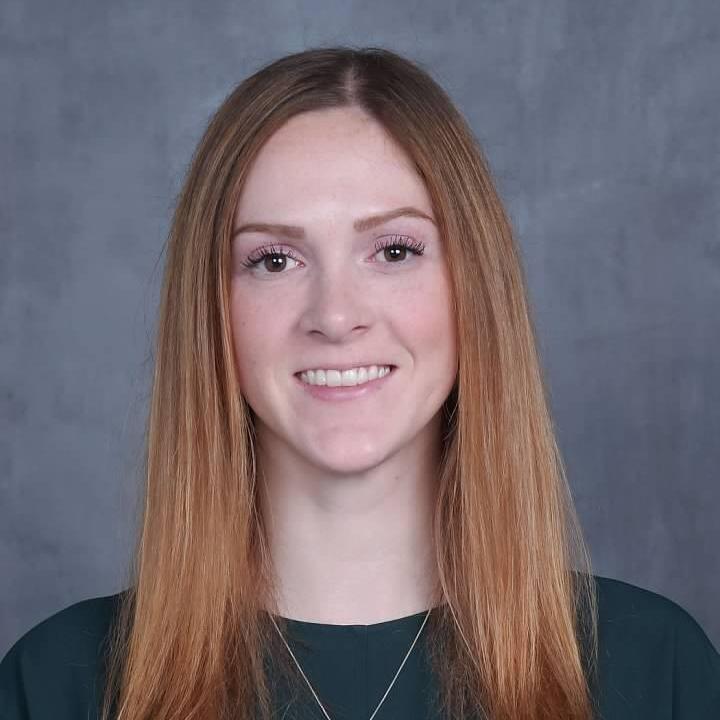
Jessica O’Neal, RN, BSN, PMH-BC
Prescriber intern
she/her
Our Therapists

Tierney Moll, LPC
she/her

Kat Perkins, LSW
she/her

Irma Hernandez, LCPC
she/her

Amanda Jue, LCPC
she/her
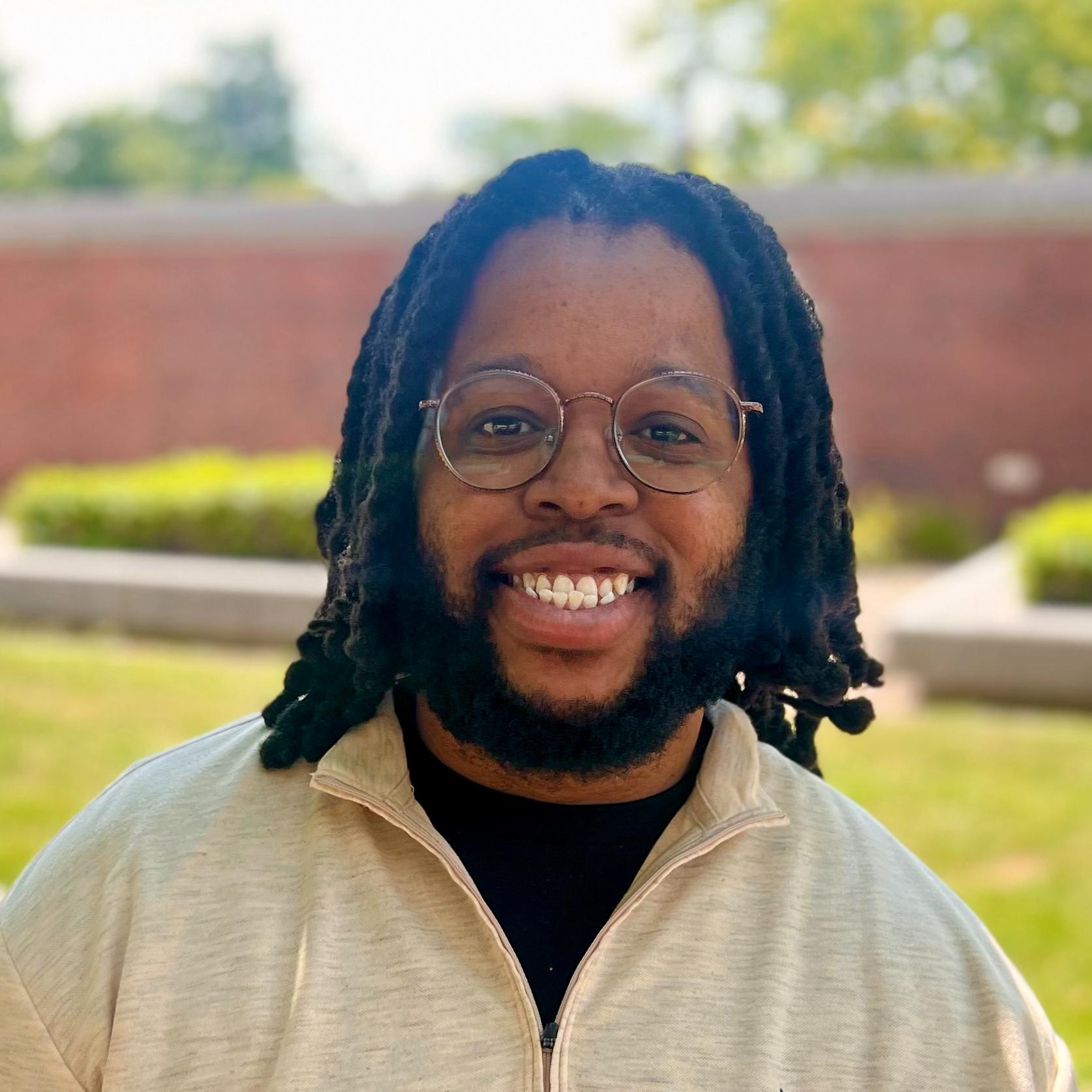
Khyren Ross, MS
he/him

Molly Sider, LSW
she/her

Dr. Kayla Sivesind
she/her

Abeha Jafri, LPC
she/her

Ilse Escamilla, LCPC, CMNCS
she/her

Amber Walker, BA
she/her

Lindsey Smart, LSW
she/her
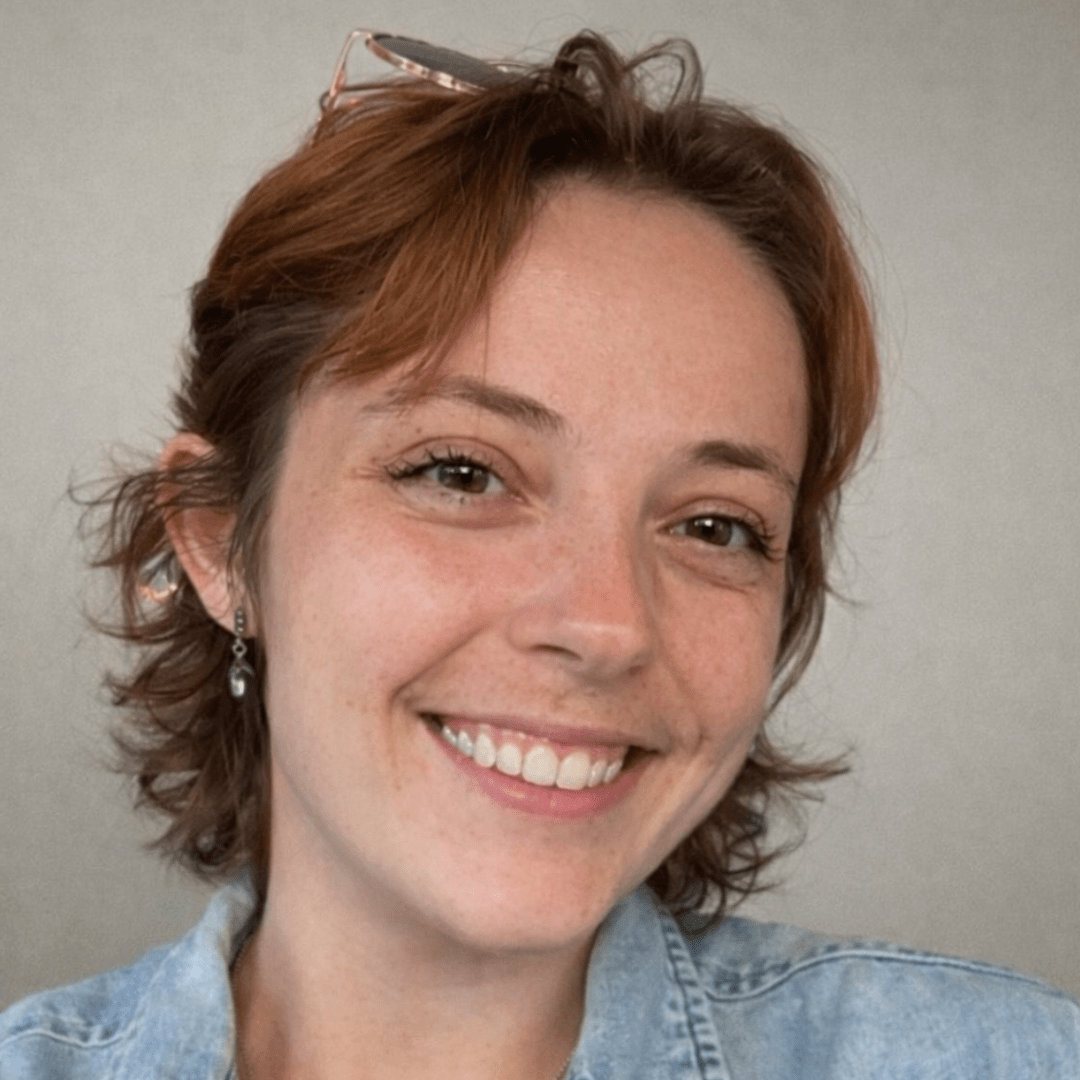
June Bradford, MA
they/them

Jonah Stevenson, LCSW
he/him

Annie Genetti, LPC
she/her

Tara Sabol, LCPC, RYT
she/her
Our Management Team

Dr. Colleen Cira
she/her

Dr. Sophia Hamilton
she/her
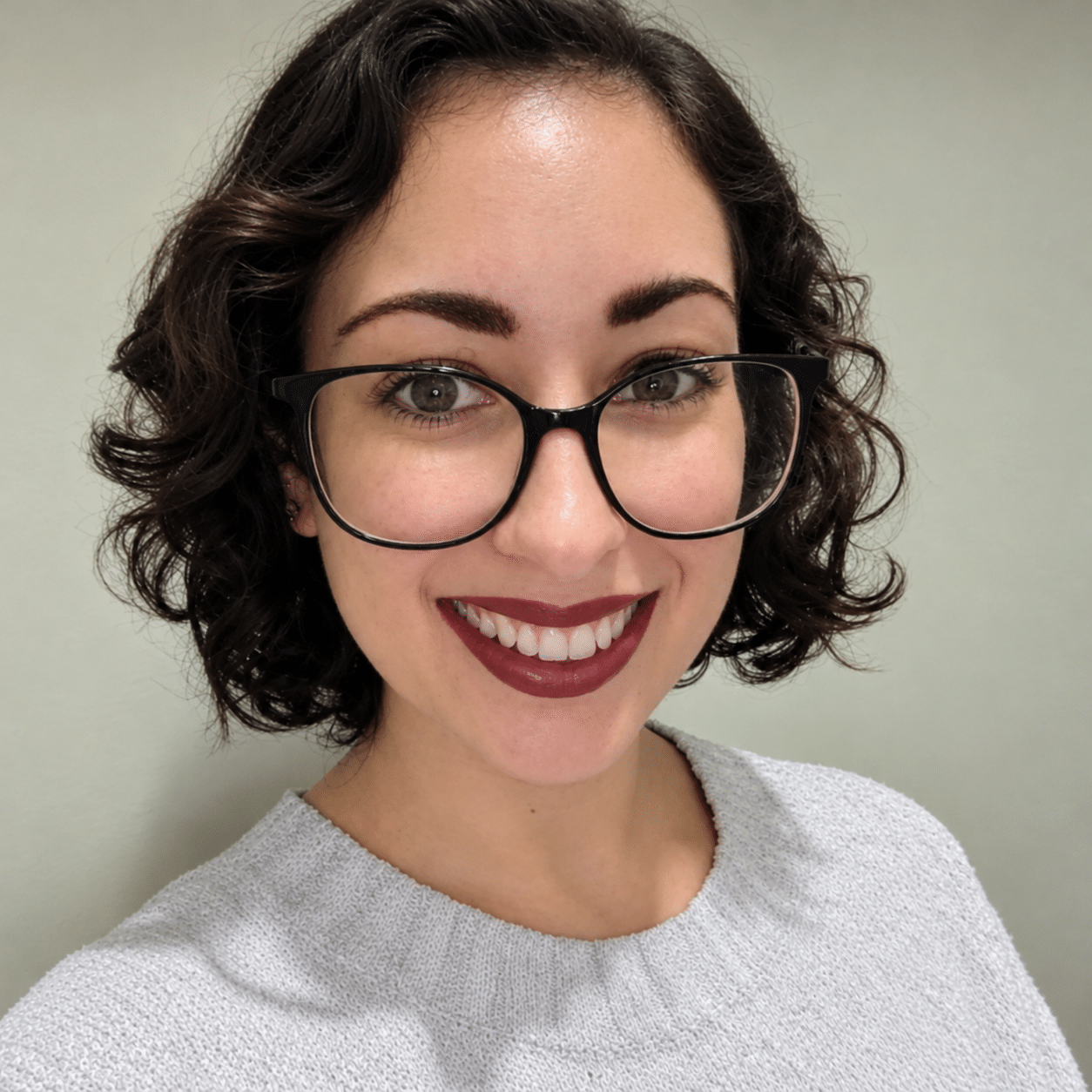
Maria Villarreal-Ochoa
she/her

Lexus Garcia, LCSW
she/her

Lupita Villarreal-Ochoa
she/her
As the Client Care Coordinator at Cira Center for Behavioral Health, my main objective is to ensure your needs are heard, and that any questions you have about our therapists, prescribers, and intake process are answered promptly. I strive to create a safe and welcoming space for your questions, and to carefully and respectfully listen to any information you want to share about why you’re seeking services for yourself or your children. I have a Bachelor’s Degree in General Psychology and have experience in Health and Substance Abuse Institutions in Mexico. I am fluent in both Spanish and English.
Dr. Sophia Hamilton is a Black Caribbean clinical psychologist with specialized training in liberation-focused, trauma therapy and in working with clients who identify as Black and people of color. She received her doctoral degree from DePaul University and has supervised and provided clinical services in numerous settings including community-based mental health, hospitals, schools, and private practice.
Dr. Hamilton is also an associate professor of psychology at Dominican University where she teaches, advises students, and researches and provides professional development on the integration of trauma-informed and radical healing pedagogy to improve the higher education experience for marginalized students.
I work as the Practice Manager at Cira Center for Behavioral Health; helping things run smoothly and making sure clients are provided with the best experience during their initial contact.
I have a Bachelor’s Degree in General Psychology and have administrative and clinical experience in mental health care facilities, as well as teaching experience, in different areas in Mexico and The U.S. Additionally, I am fluent in both Spanish and English.
Dr. Colleen Cira is a Licensed Clinical Psychologist, Nationally Recognized Trauma Expert and the Founder and Executive Director of both Cira Center for Behavioral Health, PC (CCBH) and Cira Center Consulting, LLC (CCC). CCBH is a group practice that provides virtual and in-person services in Oak Park serving all ages and genders and specializes in Trauma, Neurodivergence, and Women’s Issues/Health. CCC is a Consulting Agency that strives to unburden women and therapists so that they are able to design the practice and/or life of their dreams.
Dr. Cira received both her Masters and Doctorate from the Illinois School of Professional Psychology and has been practicing in the field since 2001. She is a highly sought after national trauma expert who has appeared in dozens of publications, podcasts, live news, and radio including NBC, ABC, US News and World Report, The Chicago Tribune, The Chicago Suntimes, Fast Company, Real Simple, Reader’s Digest, Yahoo! Lifestyle, Slate, and Bustle among others. Dr. Cira was also named one of the “Top 100 Women in Chicago Making a Difference” by Today’s Chicago Woman. Dr. Cira is a trauma and anxiety expert, clinical supervisor, writer, speaker, consultant, activist, wife and mommy
Colleen identifies as Queer, Neurodivergent and a Trauma Survivor. The totality of these identities mean that she has felt different, broken and like an imposter most of her life. It is only when she created Cira Center for Behavioral Health did she begin to take back her power, learn to accept and love herself and fundamentally change the course of her life. Colleen’s intent in sharing this information is to provide hope. It is often easy to look at the facade of someone’s life and assume so many things: they are successful, have a perfect marriage, an easy life, etc. Colleen feels called to interrupt this cycle of comparison and shame by being more open and honest about the struggle that is often there, just behind the scenes. Colleen hopes you can see your own difficulties in her story and that you know that only when we wholeheartedly embrace who we truly are, can we get to the other side of our pain. There is a light at the end of the tunnel. I hope we can help you start to see it for yourself
Specialties: Med Management, Anxiety, Depression, ADHD, Trauma.
I am a psychiatric nurse practitioner student in the final stage of my master’s program, and this is my first clinical experience in the provider role. I bring more than four years of psychiatric nursing experience and board certification in psychiatric-mental health nursing (PMH-BC). In the inpatient setting, I have cared for a wide range of populations, including adolescents, adults, older adults, and individuals with substance use disorders. Over the past year, I have also worked as needed with adolescents involved in the Department of Children and Family Services (DCFS) program.
My clinical interest is in evidence-based therapy modalities and how they shape treatment outcomes. That work led to my selection as a featured presenter at this fall’s annual psychiatric nurses conference.
Every person I have worked with has shaped how I practice. As I begin my first clinical rotation at CIRA Behavioral Health, my goal is to understand your lived experience and support you in your mental health. You and your family deserve individualized, patient-centered care that brings relief and improves your symptoms.